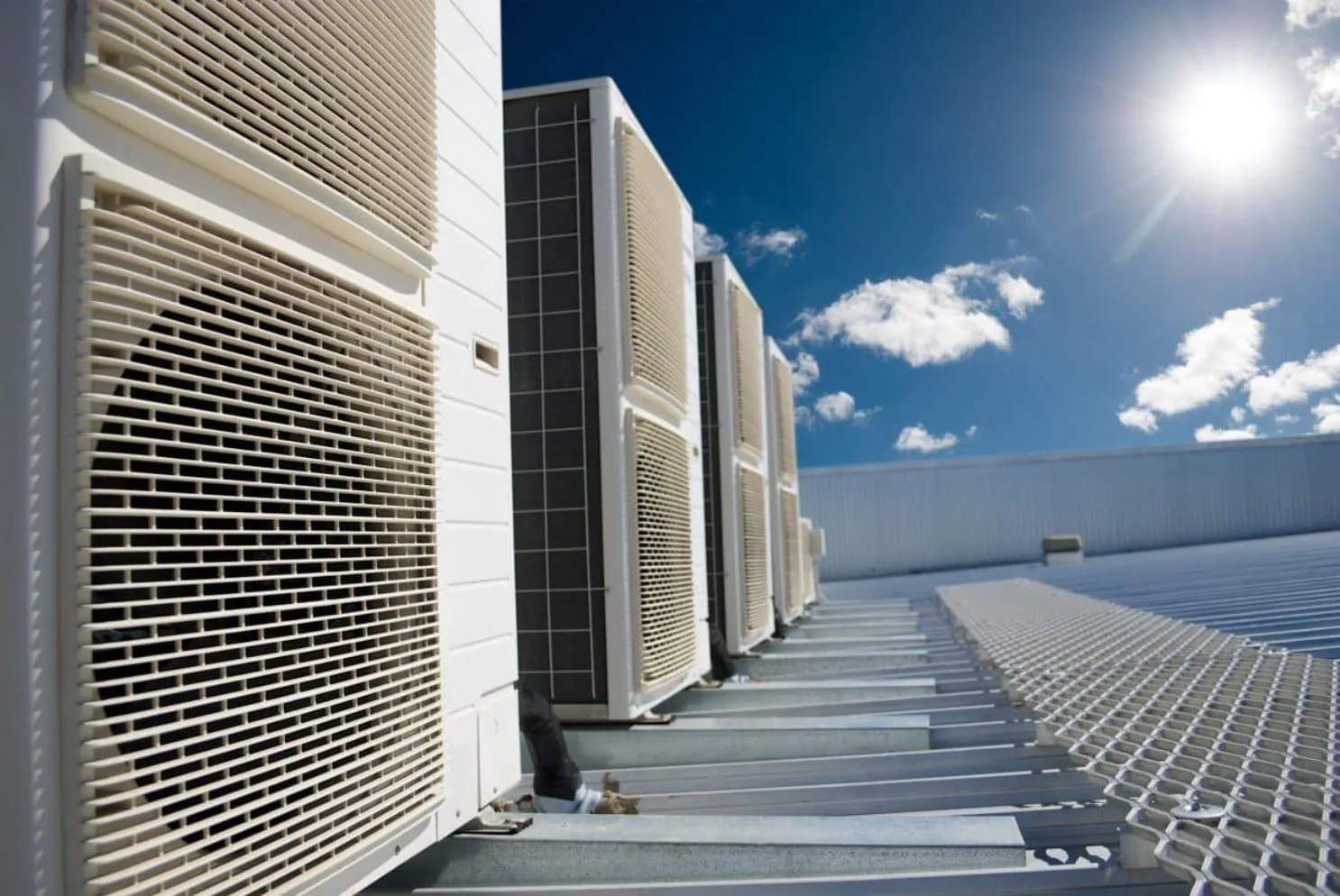
Unyvia helps commercial, industrial, and institutional building owners assess, structure, and deliver HVAC projects that improve comfort, reduce waste, and support stronger operational performance through engineered solutions, incentives, and financing options.

HVAC systems have a major impact on comfort, operating costs, and overall building performance. Yet many organizations continue to operate aging or underperforming systems that drive avoidable energy use, create comfort complaints, and make maintenance more reactive than strategic. Because HVAC decisions are often viewed as all-or-nothing replacements, many practical optimization opportunities go unexplored.
Unyvia focuses on performance first, not unnecessary replacement. The goal is to identify what will create the most value — whether that means controls improvements, targeted retrofits, equipment upgrades, or a broader HVAC modernization path.
Every project is built around the right next move — not a one-size-fits-all replacement approach.
Reduced HVAC-related energy consumption
Improved comfort and system stability
Greater operational efficiency and reliability
Lower avoidable maintenance burden over time
A clearer path for phased upgrades or broader modernization
Stronger building performance with measurable business value
HVAC projects can unlock major performance gains when they are approached with the right technical scope, financial structure, and implementation plan.
HVAC projects can be more feasible than they first appear when incentives, rebates, and financing are structured properly. Unyvia helps identify available pathways and align scope with the most viable project model. For eligible projects, no-CAPEX and Energy-as-a-Service options can reduce budget friction and help organizations move forward sooner.
A structured process that helps move HVAC opportunities from analysis to implementation with less friction and greater confidence.
Building Types
Project Context
Buyer Intent
We help assess system performance, identify upgrade opportunities, evaluate incentives, and define the right path forward for HVAC projects that make technical and financial sense.